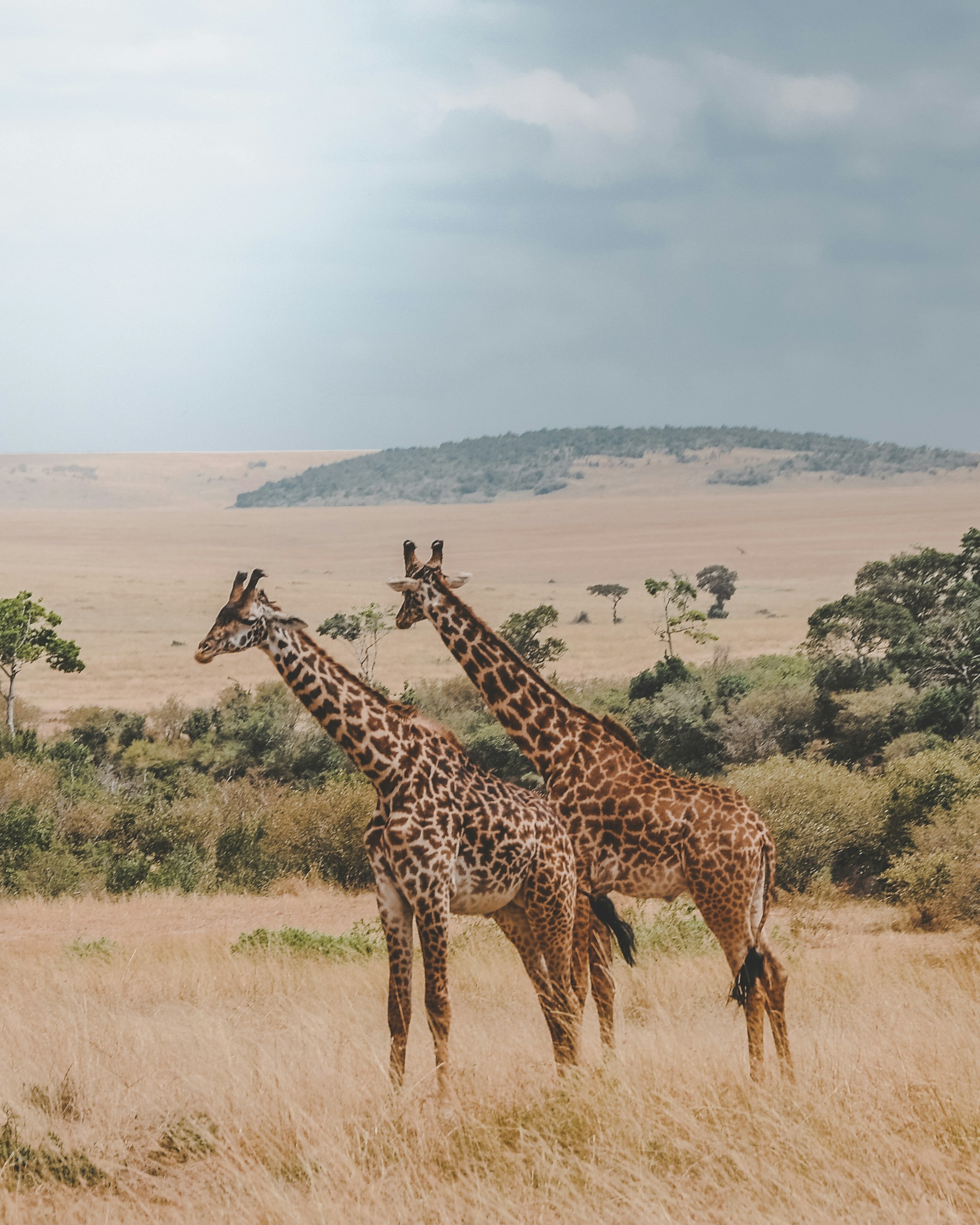
Kenya: Essential Travel Information for UK Travellers





Mon - Fri 9am - 5:30pm
Kenya offers breathtaking safari experiences, diverse wildlife, stunning coastlines, and vibrant culture. Whether you're exploring the Maasai Mara, relaxing on Diani Beach, or visiting Nairobi’s urban attractions, proper travel health preparation is essential. Wessex Travel Clinic in Sherborne provides expert guidance to help ensure a safe and healthy trip.
Mon - Fri 9am - 5:30pm
Understanding Health Risks in Kenya’s Varied Environments
Kenya’s landscapes range from savannahs and highlands to coastal regions, each carrying different health considerations. Travellers should be aware of mosquito-borne illnesses such as malaria and dengue, as well as food- and water-borne diseases. Preparing early and understanding these risks allows you to enjoy Kenya’s rich wildlife and culture with confidence.
Regional Exposure and Traveller Activities
Health risks can vary depending on your itinerary. Safari regions, rural villages, and coastal areas may expose travellers to mosquitoes, animals, and varied sanitation standards. Rabies risk exists in both urban and rural settings. Coastal regions sometimes experience outbreaks of vector-borne diseases. Tailored advice ensures you receive the right protection for the exact areas you plan to visit.
Vaccinations and Preventative Measures for Kenya
Travellers to Kenya are commonly recommended vaccines such as Hepatitis A and Typhoid. Depending on your activities or length of stay, additional vaccines like Hepatitis B or Rabies may be advised. Malaria prevention is strongly recommended for most regions of Kenya, with antimalarial medication required. A Yellow Fever vaccine may also be necessary depending on your travel history and entry requirements. Strict mosquito bite avoidance remains essential throughout the country.
Preparing Early for a Safe and Enjoyable Adventure
Booking your travel health consultation 6–8 weeks before departure ensures you have enough time for vaccinations, boosters, and any antimalarial medication. With personalised travel health planning, you can focus on enjoying Kenya’s world-famous safaris, national parks, and beaches. Wessex Travel Clinic offers tailored guidance based on your itinerary so you can travel with peace of mind.
Frequently Asked Questions
Which vaccines do I need for Kenya?
Most travellers require Hepatitis A and Typhoid. Depending on your plans, additional vaccines such as Hepatitis B, Rabies, or Cholera may be recommended. Yellow Fever vaccination may be required depending on your previous travel destinations.
Do I need malaria tablets for Kenya?
Yes. Malaria risk is present in most parts of Kenya, including popular safari regions and coastal areas. Antimalarial medication is strongly recommended, and your travel health specialist will advise the most suitable option.
How can I avoid mosquito bites in Kenya?
Use repellents containing DEET or picaridin, wear long sleeves and trousers at dusk, sleep in screened or air-conditioned rooms, and use bed nets when required. These steps help protect against malaria and other mosquito-borne illnesses.
When should I book my travel health appointment?
Aim to book your consultation 6–8 weeks before travel. This allows enough time for vaccinations and personalised health planning. Last-minute travellers can still receive essential guidance.
Can I get travel vaccines for Kenya at Wessex Travel Clinic?
Yes. Wessex Travel Clinic at 83 Cheap Street, Sherborne, Dorset, DT9 3BA offers all required vaccinations for travel to Kenya, including Typhoid, Hepatitis A, Hepatitis B, Rabies, and Yellow Fever. You can book an appointment easily via our website.